
Step-by-Step Guide to Selling Commercial Property in Texas
If you’re planning to sell commercial property in Texas, you’ll want the process to be smooth, efficient, and profitable. From gathering documents to marketing and closing, there are several important steps that can make or break a sale. This checklist walks you through everything you need to know when selling commercial real estate in Texas.
Step 1: Gather Essential Property Documents
Before listing your property, collect the paperwork buyers and brokers will ask for:
- Deed and title documents
- Recent property tax statements
- Lease agreements (if tenants are in place)
- Surveys and site plans
- Environmental or inspection reports
- Utility bills and expense records
Having these ready saves time and builds trust with potential buyers.
Step 2: Evaluate the Property’s Condition
First impressions matter in commercial real estate. A little effort goes a long way:
- Repair minor damage
- Improve curb appeal and landscaping
- Clean and declutter buildings or storage areas
Sellers often schedule a pre-inspection to catch potential issues early, which can prevent delays during the buyer’s due diligence.
Step 3: Determine the Right Asking Price
Pricing a commercial property is more complex than selling a house. In Texas, value depends on location, zoning, income potential, and market demand. To set the right price:
- Review recent comparable sales
- Analyze rental income and cap rates (if leased)
- Ask a commercial real estate agent for a broker opinion of value
Accurate pricing attracts serious buyers while maximizing your return.
Step 4: Review Zoning and Land Use Regulations
Texas zoning rules vary by city. Confirm your property’s current zoning, permitted uses, and any restrictions. If rezoning is possible, highlight that opportunity—it may increase buyer interest and property value.
Step 5: Create a Strong Marketing Package
A professional marketing package gives buyers the details they need to make decisions. Include:
- High-quality property photos and aerial views
- Location maps and traffic counts
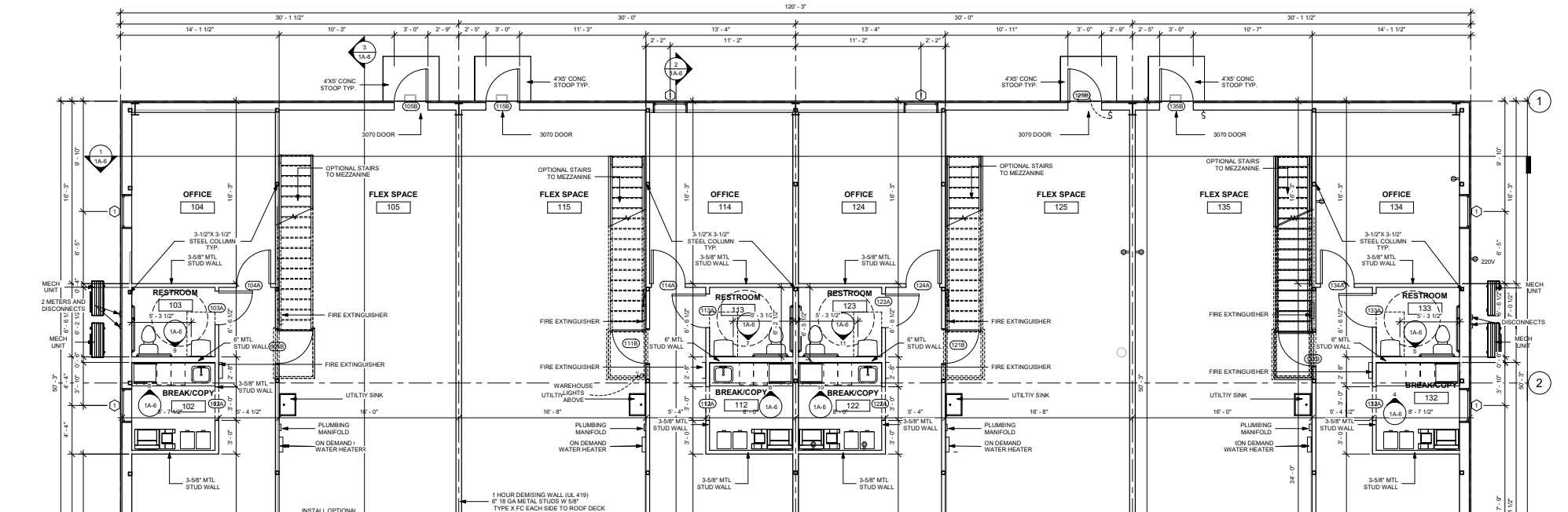
- Floor plans or site layouts
- Lease and income details (if applicable)
- Highlights of nearby businesses and developments
This package positions your property as a strong investment opportunity.
Step 6: Market Your Commercial Property
To sell quickly and at the right price, your property needs broad exposure. Marketing strategies include:
- Listing on commercial real estate platforms
- Networking with brokers and investors
- Targeted email campaigns and social media outreach
- On-site signage to capture local interest
The right marketing approach connects you with qualified buyers across Texas and beyond.
Step 7: Review and Negotiate Offers
When offers come in, evaluate more than just the price. Consider:
- Buyer’s financial strength
- Proposed timeline
- Intended use of the property
Negotiate terms like purchase price, earnest money, due diligence periods, and closing dates to protect your interests.
Step 8: Manage the Due Diligence Period
Once under contract, buyers will conduct inspections, appraisals, and financing reviews. Be prepared to share documents and allow access to the property. Staying responsive during this stage helps the transaction move forward smoothly.
Step 9: Close the Sale
At closing, ownership is officially transferred. The title company or attorney prepares all necessary documents, fees are settled, and you receive payment for the property.
Step 10: After the Sale
Don’t forget the final details:
- Notify tenants of the ownership change (if applicable)
- Keep copies of records for tax purposes
- Review potential tax implications of the sale
Final Thoughts
Selling a commercial property in Texas requires planning, organization, and the right marketing strategy. By following this checklist, you’ll be better prepared to attract qualified buyers, negotiate favorable terms, and close a successful deal.
Whether you’re selling land, office space, retail property, or industrial real estate, staying ahead of the process will help you get the best value for your property.